
Last updated: September 4, 2026
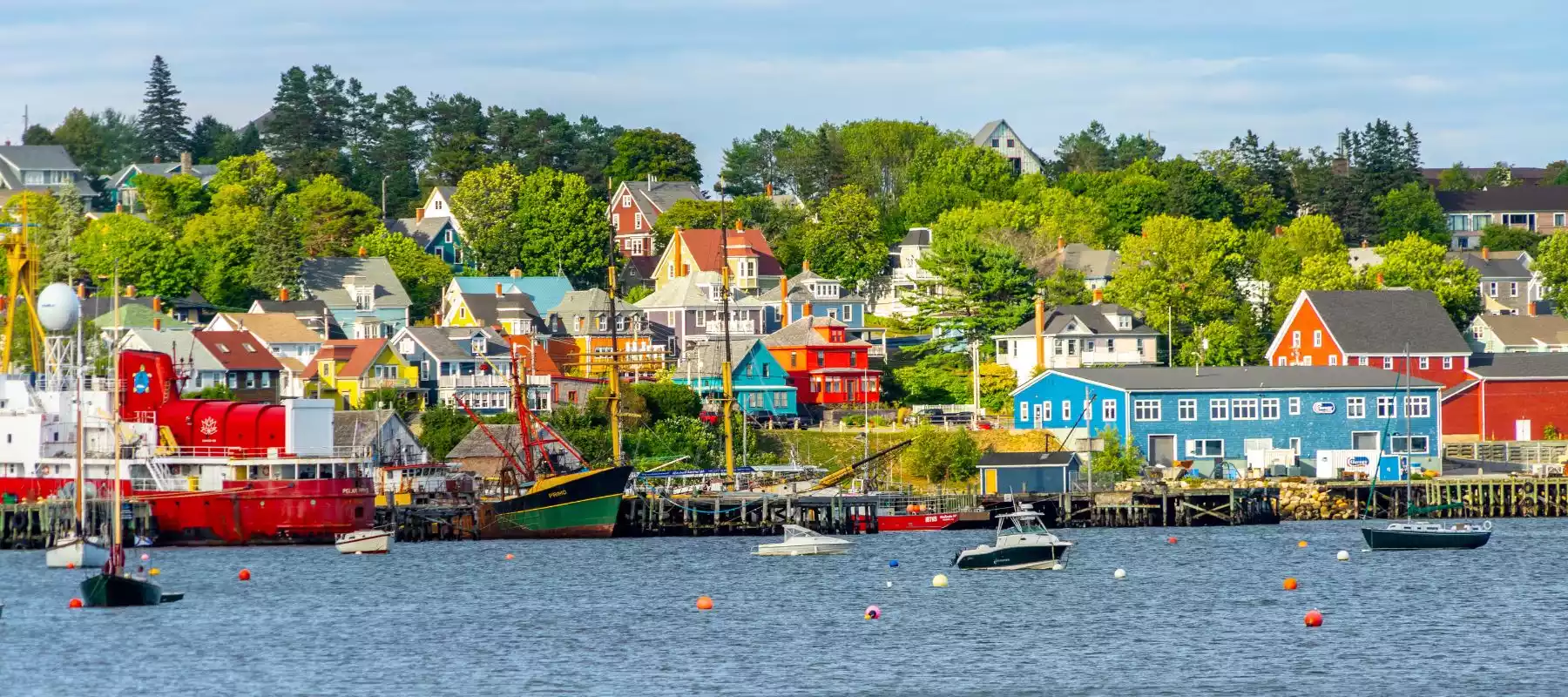
Nova Scotia is colorful, be it the brightly-painted clapboard houses, the lush green woodlands, or the dazzling blue Atlantic.
Summary
- The best things to do in Nova Scotia include exploring Halifax, visiting UNESCO World Heritage Sites, and going whale watching on the Atlantic
- The best places to visit beside Halifax are Cape Breton Island and the Annapolis Valley
- You can reach Nova Scotia by flying to Halifax Stanfield International Airport or taking the Ocean train
We're big believers in the Canadian East Coast being a first-class stop in your Canadian vacation. And Nova Scotia is at the heart of it. It’s a deeply historic part of the country and is easily accessible from a number of other provinces, all delightfully unique in character and landscape. To us, that makes it a perfect vacation spot — perhaps that's why it features in almost all of our Atlantic Canada itineraries.
There are so many great things to do in Nova Scotia. From culture-packed cities like Halifax, to the peaceful towns and villages of Lunenburg and Peggy's Cove, and the dramatic windswept coastal trails of Cape Breton, the variety is enormous. And amid small fishing villages, prettily lush countryside and stunning ocean views, you might find it's easier to actually slow down and switch off.
There's so much ready to be discovered on this maritime peninsula.
Things to Do in Nova Scotia
The things to do in Nova Scotia range from whale-watching on the coast to historic towns teeming with Celtic, Acadian, and Indigenous Mi'kmaq heritage. That means whether you're drawn to dramatic coastal scenery, world-class seafood, or the kind of small-town warmth that only the Maritimes seem to do quite right, Nova Scotia delivers.
 Credit: Tourism Nova Scotia / Patrick Rojo
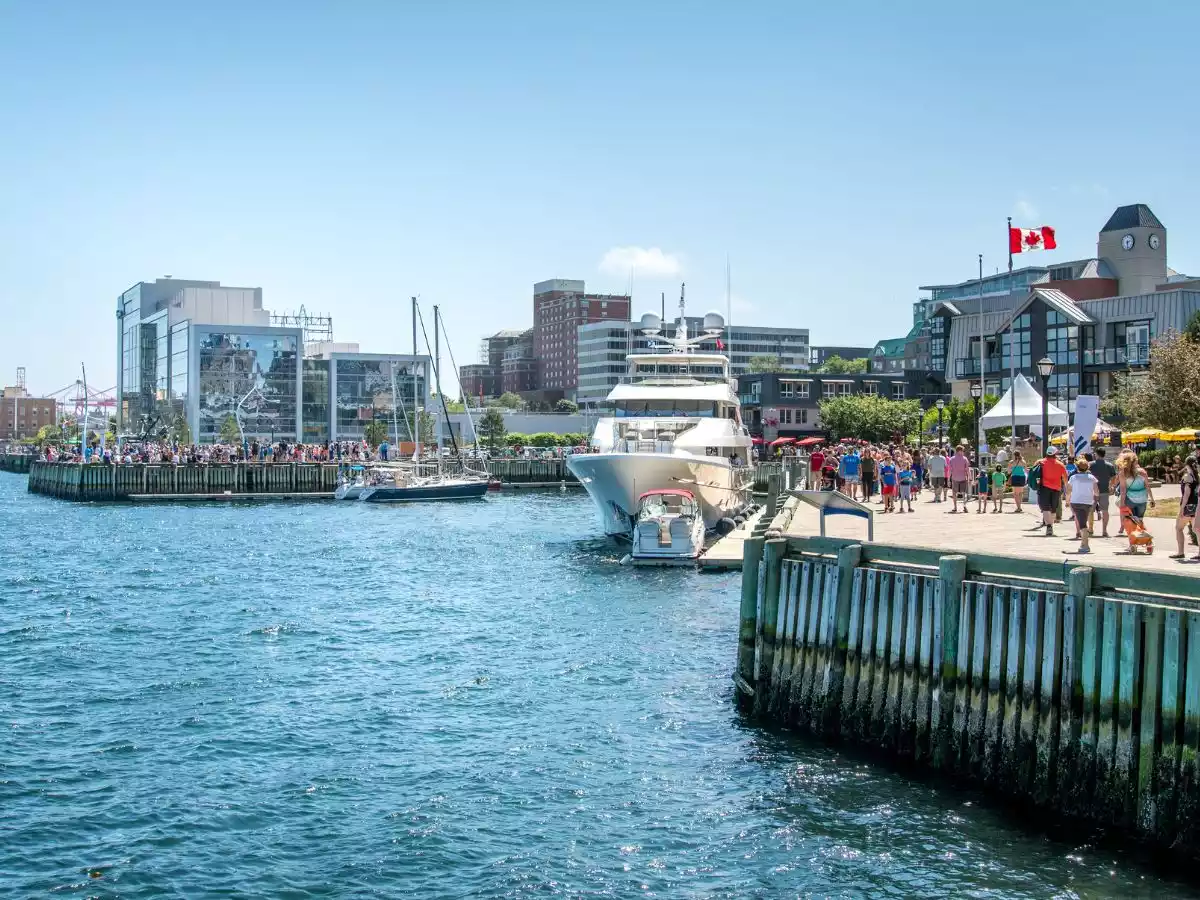
Wandering Halifax Harbor Waterfront
The waterfront boardwalk is the natural place to begin exploring Halifax and, as such, Nova Scotia. Stretching along the harbor, Halifax Waterfront is lined with museums, markets, seafood restaurants, craft beer bars, and historic sites.
We recommend food tours to our own guests here to make the most of the numerous eateries lining the water. But if you want to choose yourself, the lobster here is some of the best you'll find, and the donair — a Halifax original — is something you'll only find here.
Just steps from the waterfront, the Halifax Citadel National Historic Site sits high on a hill overlooking the city. The fortress has been largely unchanged since the 19th century and offers sweeping views alongside its dose of military history. If you're visiting around noon, you'll still hear the noon-day gun fired each day, a tradition that has been running since 1857.
 Credit: Tourism Nova Scotia / Patrick Rojo
UNESCO World Heritage Site Hopping
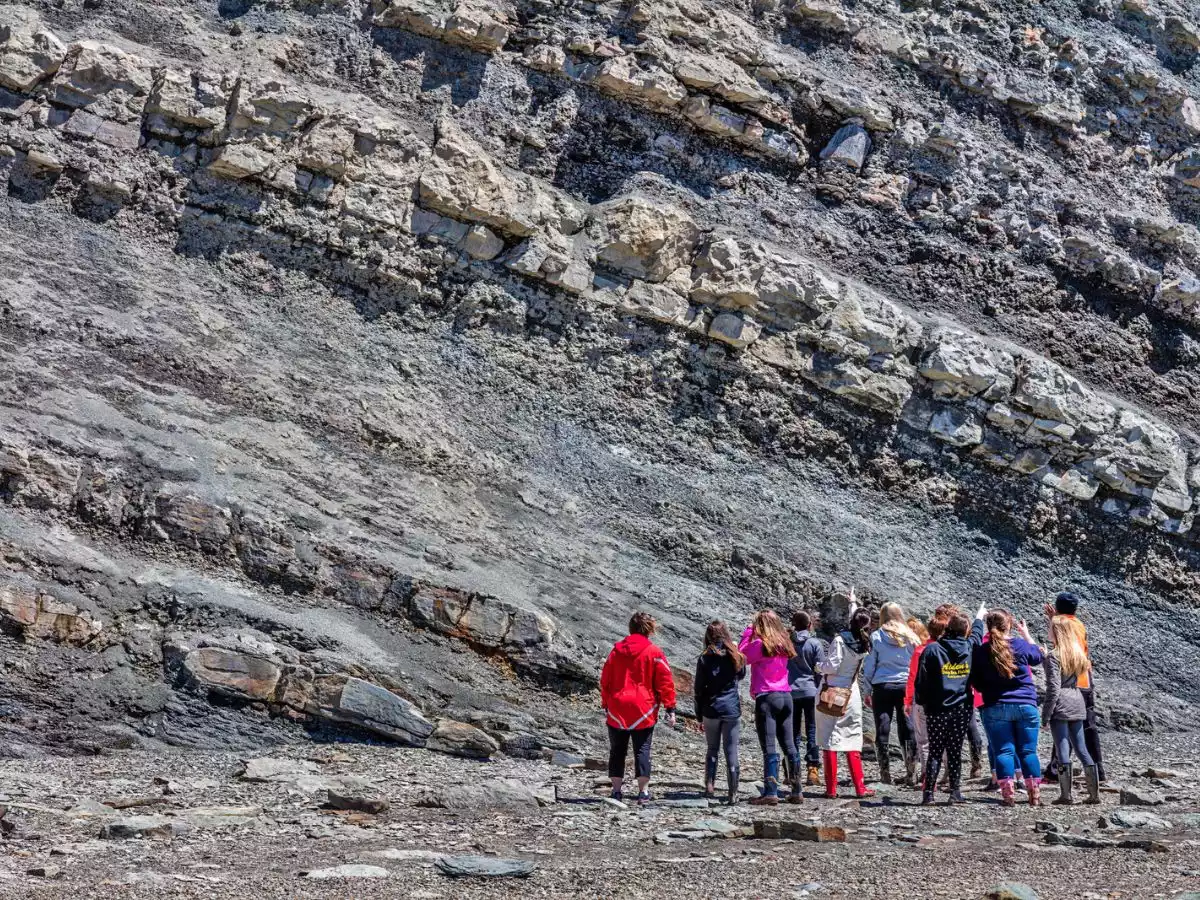
In Nova Scotia, you're never very far from a UNESCO World Heritage Site, Centre, Region, or Place. There are seven dotted across the province, and you can visit many of them in a single day. The Landscape of Grand Pré UNESCO World Heritage Site, the Cliffs of Fundy UNESCO Global Geopark and the Joggins Fossil Cliffs UNESCO World Heritage Site are all within a few hours of each other, making a day trip that visits all three entirely possible.
Related Post
Nova Scotia Vacation: Expert Guide and Itineraries
Discover a sample itinerary exploring Nova Scotia to its fullest as well as more tips and tricks.

We cover more UNESCO World Heritage Sites below, but the Joggins Fossil Cliffs, on the Bay of Fundy's shore, are worth an extra mention. Known as the 'Coal Age Galápagos,' the cliffs contain one of the world's most complete fossil records of the Carboniferous period (predating even dinosaurs), and you can walk along the beach at low tide and peer directly into 300-million-year-old artifacts embedded in the rock face. Alongside the well-known heritage towns and traditional villages, some of these natural sites offer a deeper look into Nova Scotia's ancient history.
 Credit: Tourism Nova Scotia
Whale Watching
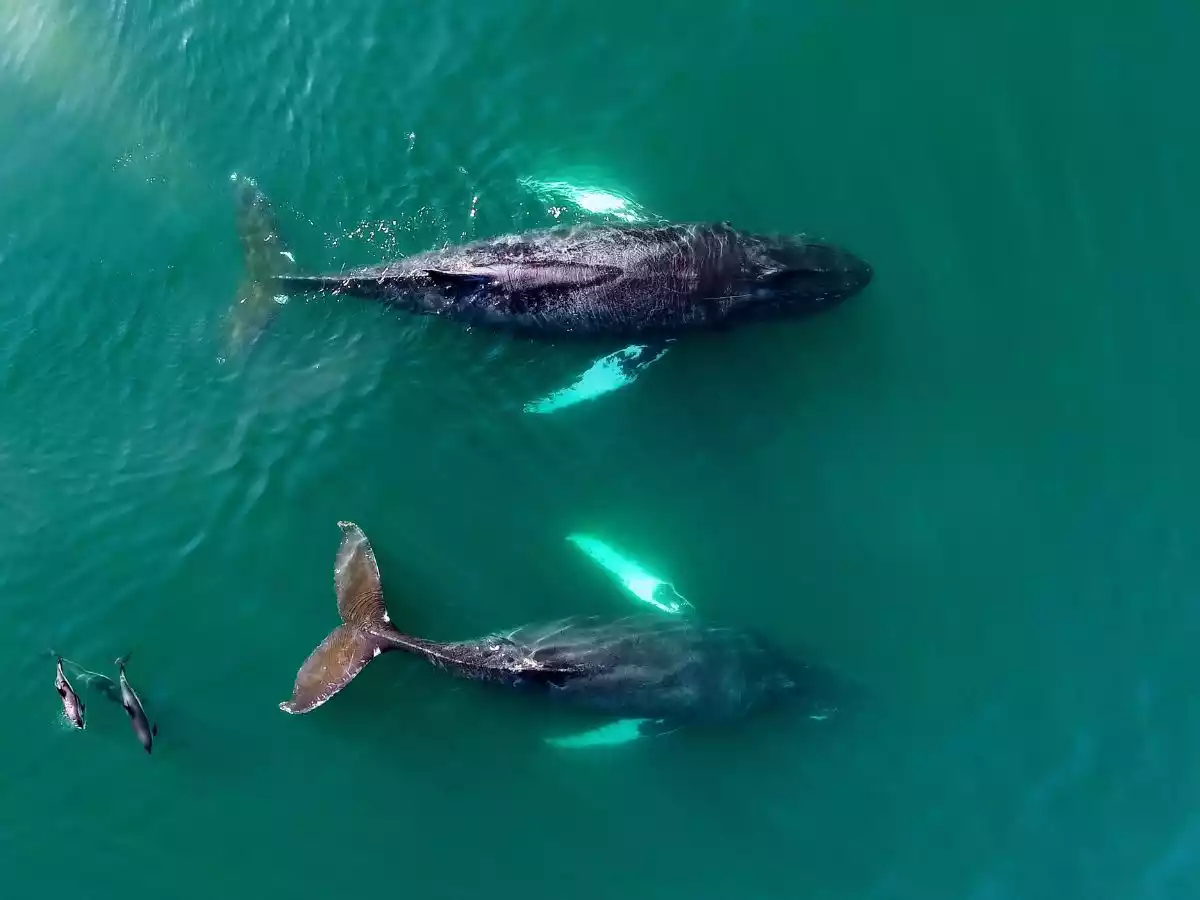
Nova Scotia sits at the meeting point of two major ocean currents, making its waters one of the best whale-watching destinations in the world.
The waters off Digby, in the Bay of Fundy, and around Cape Breton are the best for whale-watching, with whales in Nova Scotia including humpback, finback, minke, and the critically endangered North Atlantic right whale all passing through on seasonal migrations. These waters are actually known to house 12 different species of whale, but you're also likely to see dolphins, seals, puffins, and eagles, among other coastal creatures on your journey.
Related Post
Where to See Canadian Wildlife: Secret Spots and Expert Tips
From Atlantic to Pacific Coast, discover where to see Canada’s most iconic wildlife like bears, whales, and moose.

Boat tours depart from several small harbors around the province between June and October, with the peak season running through July and August. We almost always recommend our own guests take at least one whale-watching tour during their time in Nova Scotia, and arrange for their tour to depart from a harbor already along their route so it easily fits into their vacation.
 Credit: Tourism Nova Scotia / Adam Hill
Driving the Cabot Trail
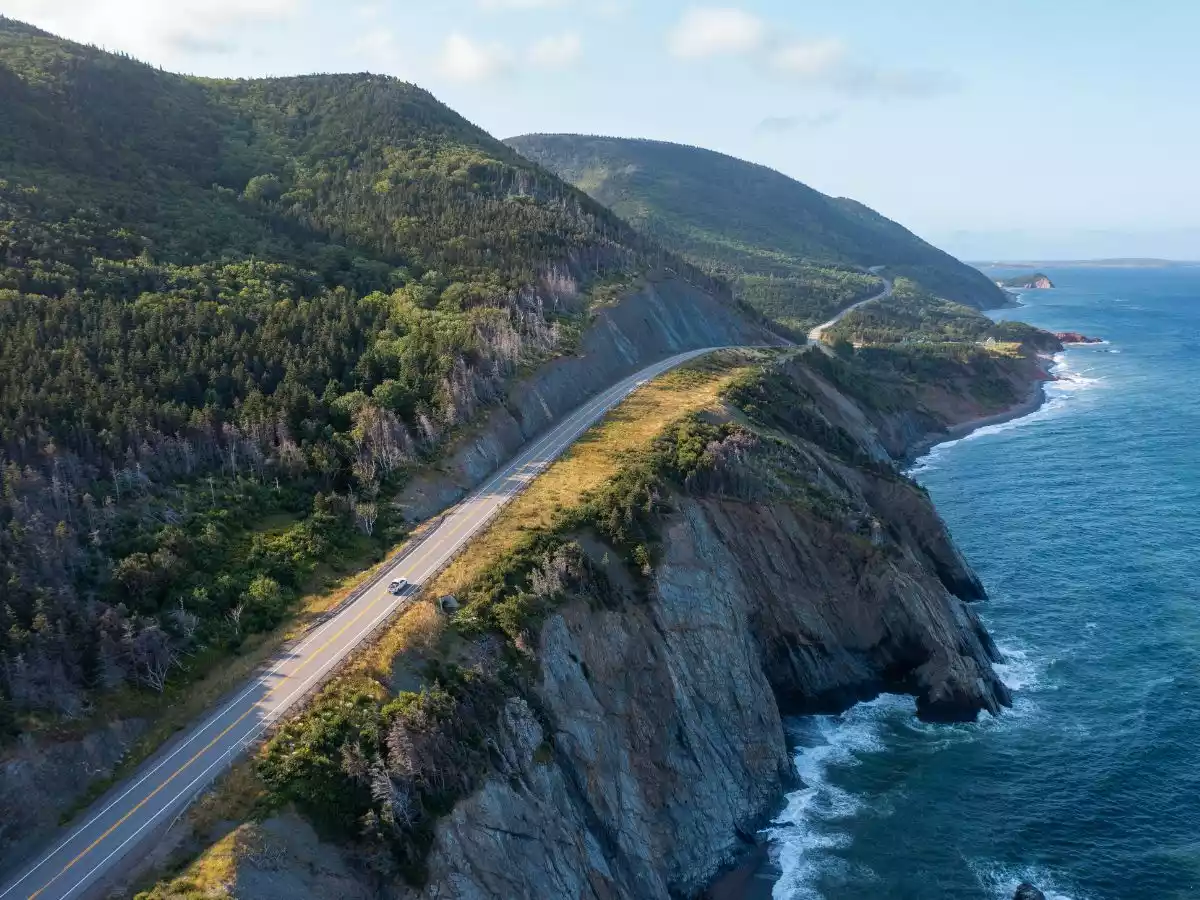
Driving the Cabot Trail is perhaps our single favorite activity for any Nova Scotia road trip. It's an approximately 4-hour drive around the north of Cape Breton Island, rewarding you with sweeping views over the ocean, cliffs, highlands, and valleys.
When driving the Cabot Trail, you'll not only pass remarkable natural landscapes, but also charming villages nestled between them. The best ones to visit are Baddeck (where you will begin and end your drive), Ingonish Beach, Neil's Harbour, and Cheticamp, but you'll have plenty of options as you go.
We recommend driving counterclockwise so that you drive on the outer lane and get the best views over the ocean. That being said, you can complete the drive in either direction.
 Credit: Destination Canada
Hiking from the Cabot Trail
The Cabot Trail is one of the greatest drives in North America, but it also hides some of the greatest walks and hikes. The loop around the northern tip of Cape Breton Island passes through Cape Breton Highlands National Park, which has a network of trails (26 different trails, in fact) branching off into it. These range from gentle coastal walks to challenging highland routes with views stretching far out over the Gulf of St. Lawrence. Many trailheads start directly from the Cabot Trail.
The Skyline Trail is the most famous of these, a loop through boreal forest that ends at a clifftop boardwalk perched high above the Atlantic Ocean. Sunsets here are extraordinary as you face west, watching the late evening light bounce across the Atlantic and dip behind the horizon. But walking it at any time of day is really very rewarding.
The Skyline Trail is an easy 5-mile hike. It's a flat, well-maintained gravel path culminating in those gorgeous clifftop views, and if you're passing by, you should absolutely stop and stretch your legs here. It's our favorite to recommend to our own guests, whether they're hiking enthusiasts or first-time hikers. Hikers in the high season will need a paid parking reservation available from Parks Canada.
 Credit: Tourism Nova Scotia / @daveyandsky
Eating Lobster
Nova Scotia is one of the best places in Canada for fresh lobster, if not the best. Lobster rolls are practically a must, and are found all over the province. They're made up of a hot dog bun stuffed with a decadent pile of chopped lobster meat. And, while you can get all manner of delicious seafood in Nova Scotia, lobster — and even more specifically, lobster rolls — are the way to go.
After traveling Nova Scotia extensively, our team's favorite spots include The Cable Wharf (Halifax Harbour), Tom's Lobster Shack (Peggy's Cove), and The Freight Shed (Baddeck).
Places to Visit in Nova Scotia
Some of the best things to do in Nova Scotia are less 'things to do' and more places to visit. Nova Scotia is as special as it is because of its cozy small-town feel, something you'll find whether in the remote north of Cape Breton Island or the heart of Halifax.
 Credit: Tourism Nova Scotia / Acorn Art & Photography
Halifax
Halifax feels just like you hope it would, somewhere between a bustling city and a friendly town. It's accessible by train — as a start or end of a trans-Canada train trip, perhaps — or by car. The city has a maritime energy that's warm and unhurried, built around a (still-working) waterfront that has been at the center of Canadian history since the city's founding in 1749.
Related Post
Discover the Canadian East Coast: Gems of Atlantic Canada
Learn about Canada’s dramatic East Coast and the wonders it contains.
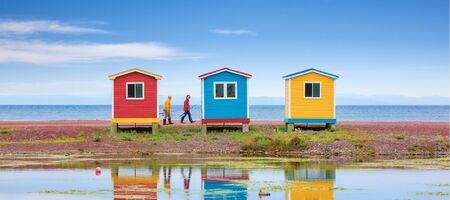
The city comes together on its waterfront, which we covered more above, but is centered around a long wooden boardwalk lined with museums, galleries, and social eateries. It embodies the best of the city, where urban attractions are paired with the ever-friendly atmosphere created by locals.
For history buffs, we recommend the Halifax Citadel National Historic Site, largely unchanged since the 19th century. For something quieter, the Halifax Public Gardens, a Victorian formal garden just minutes from the city center, are a great spot. And the neighborhood of Dartmouth, just across the harbor on a quick ferry ride (with a great view of downtown Halifax), is the place for uncovering local favorites.
 Credit: Tourism Nova Scotia / Edelweiss Loren Bedeli
Peggy's Cove
Peggy's Cove is a short drive from Halifax and great to visit either on an independent road trip or as a part of an organized tour. The drive takes you from a modern city to a traditional fishing village in less than an hour.
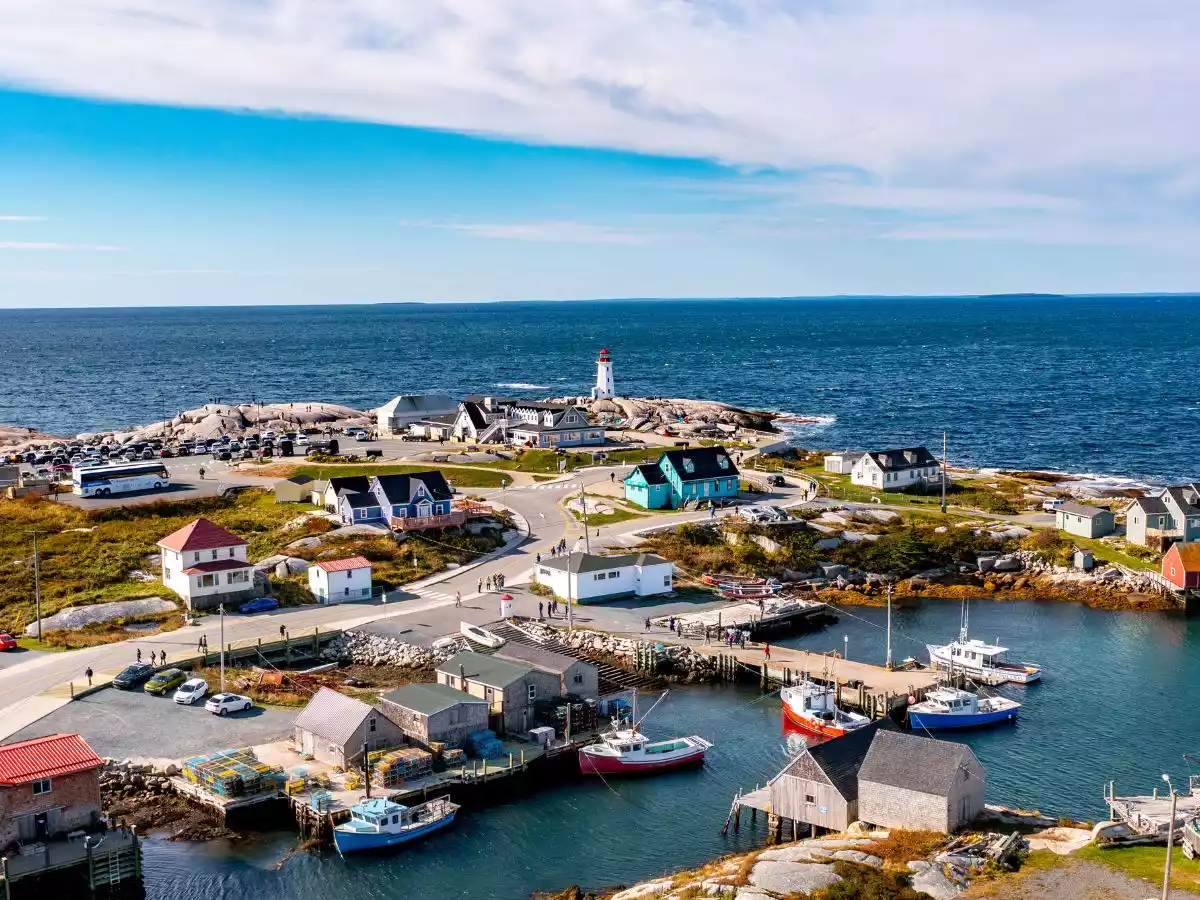
In Peggy's Cove, your first stop should be Peggy's Cove Lighthouse at the very tip of the village. It is often said to be the most photographed lighthouse in Canada. From there, wander the village to see quaint gift shops and local eateries — the best of which are tucked into colorful clapboard houses — and huts set over the water on wooden stilts.
Peggy's Cove is small, so you won't be here all day. But it is absolutely a must-stop on any trip to Nova Scotia.
 Credit: Tourism Nova Scotia / Lora Pope
Lunenburg
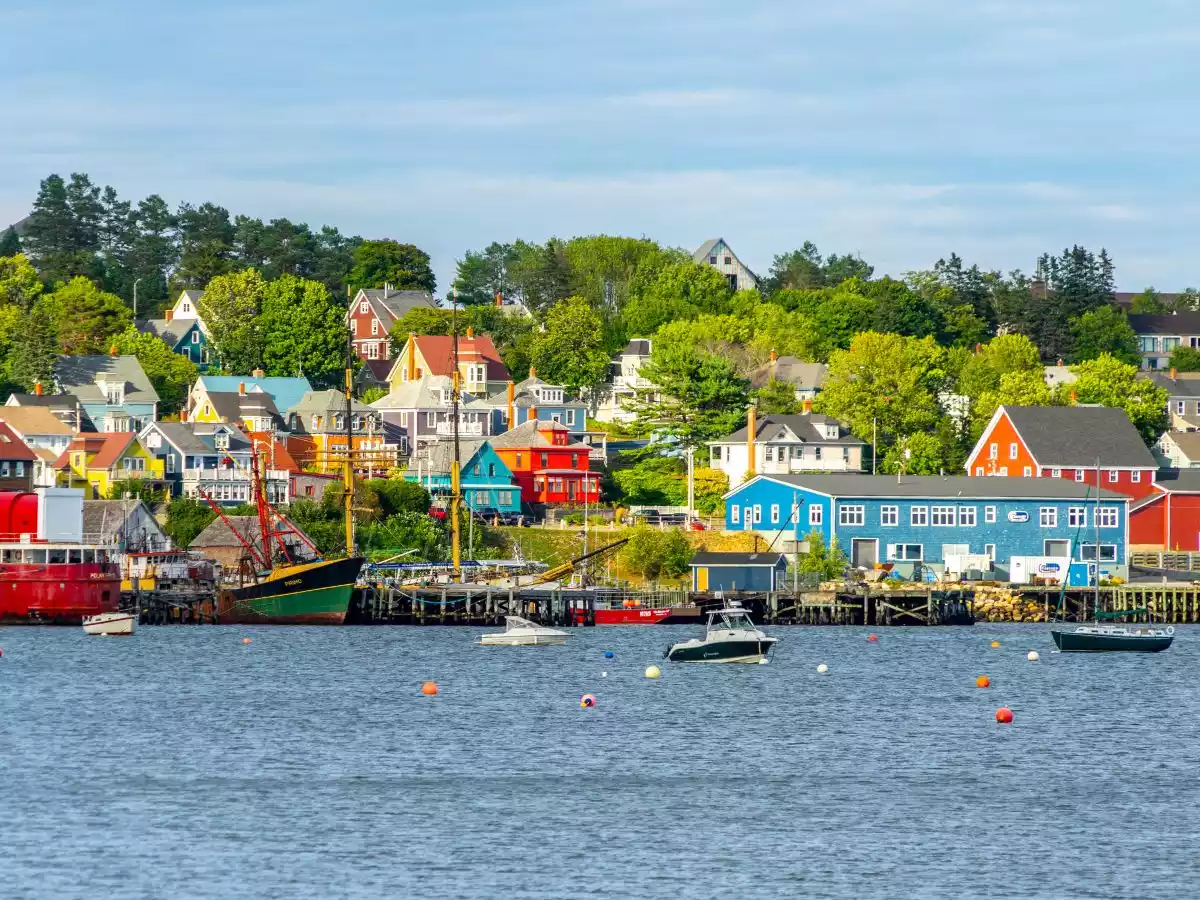
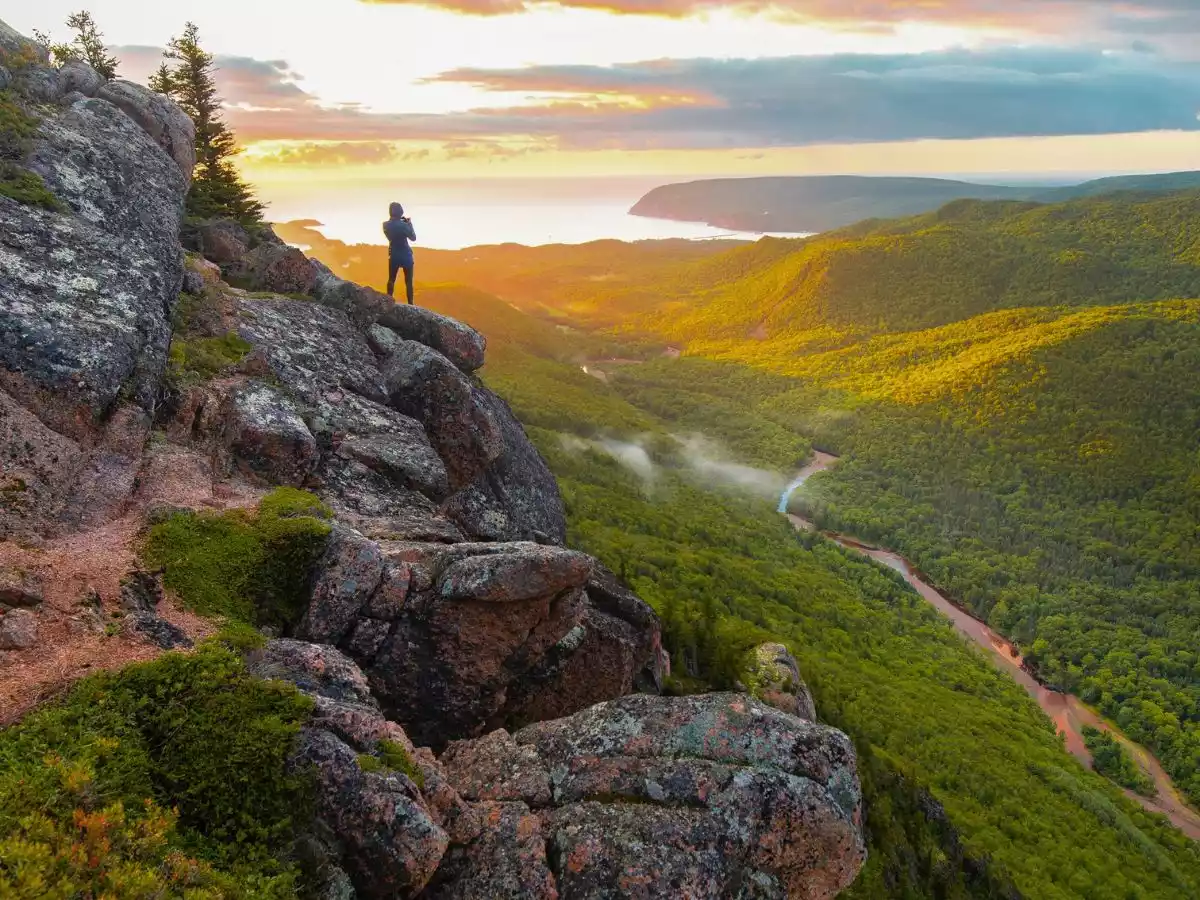
Lunenburg is perhaps the most quintessentially maritime town in Canada. Colorful houses line the harbor and are surrounded by lush green woodland. The Old Town is largely unchanged from its original 18th-century layout, earning a place as a UNESCO World Heritage Site as a result, and walking its steep streets feels genuinely like stepping back in time — which is a remarkable thing to say about a town that is very much alive and thriving.
Despite being so picturesque, the harbor is still a working fishing port used as part of ongoing fishing, boatbuilding, and maritime operations. That being said, you'll spot historic boats like the Bluenose II, the iconic two-masted schooner that appears on the Canadian dime, amidst the working ones.
While walking the quaint streets of Lunenburg is most of its appeal (and one that never gets old), the Fisheries Museum of the Atlantic also happens to be one of the best museums in Nova Scotia and is right on the waterfront. It tells the story of the province's relationship with the sea through beautifully presented exhibits and a collection of historic vessels you can board and explore.
 Credit: Tourism Nova Scotia
Visit Cape Breton Island
Cape Breton should be high on any list of Nova Scotia itineraries.
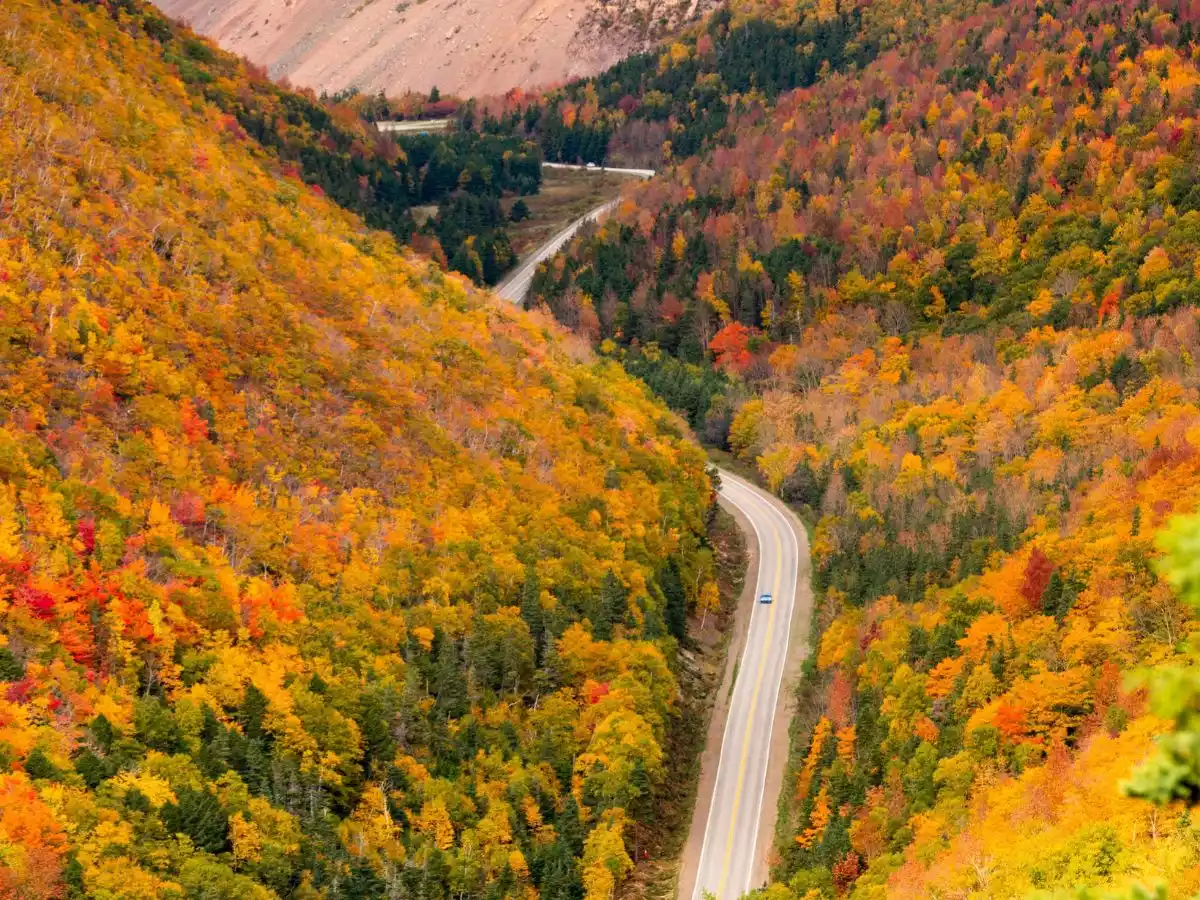
Cape Breton Island is Nova Scotia at its most dramatic, and it's most intimate. The landscape shifts as you cross from mainland to island, getting wilder the further north you head, culminating in Cape Breton Highlands National Park. It's exactly what you picture when you think of an Atlantic island: small settlements made up of wooden clapboard houses nestled in harbors where the communities are even more deeply rooted in their Celtic and Acadian heritage than on the mainland.
The tradition of fiddle playing and dancing is still very much alive, and any pub on a weekend night is likely to have live music.
 Credit: Tourism Nova Scotia / @daveyandsky
Cape Breton Highlands National Park
Cape Breton Highlands National Park covers the northern tip of Cape Breton Island and contains some of the most spectacular wilderness in Eastern Canada. The plateau at its center is a boreal highland rising to over 1,600 feet, dropping sharply to the coast on either side in a series of sea cliffs, river gorges, and forested valleys.
Related Post
Things to Do in Prince Edward Island: Travel Experts' Guide
If you're thinking about an Atlantic Canada vacation, here are the best things to do in neighboring Prince Edward Island.

Like we've already mentioned, the Cabot Trail loops around the park, supplying views over both the highlands and the Atlantic Ocean. But the national park itself rewards those who venture further in. Away from the road, moose are abundant and bald eagles are a common sight overhead. In autumn, the highlands turn a spectacular combination of gold and rust, making September and early October the perfect time to visit.
 Credit: Canada By Design
Baddeck
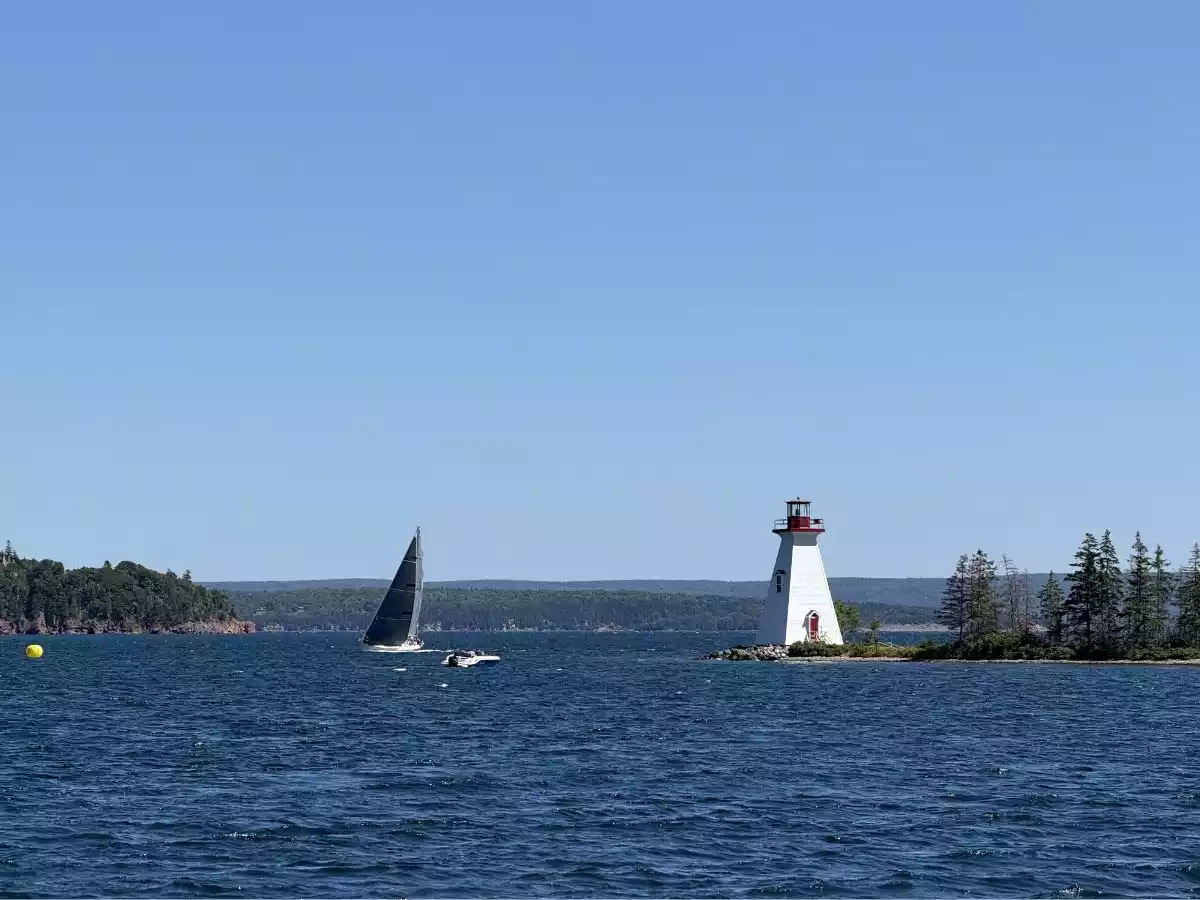
Baddeck is the start and end point of Cape Breton's Cabot Trail, which means you'll be passing through the town if you're completing the drive. It's here that you'll begin to feel the 'Celtic Heart of North America,' where Gaelic culture thrives.
Visiting the Alexander Graham Bell National Historic Site is one of the best things to do in Baddeck, and punches well above its weight for a museum in a small Atlantic Canada town. You'll learn about the Scottish/Canadian/American inventor of the first practical telephone in the very town where he spent much of his life. And if you're looking for more history, from Baddeck you can drive to Louisbourg to see the Fortress of Louisbourg National Historic Site, the largest historical reconstruction in North America.
Related Post
Fogo Island Inn: Luxury Regenerative Travel
Just across the water on a small Newfoundland island, discover world-leading luxury travel at Fogo Island Inn.
Besides that, the best things to do in Baddeck are simply to get involved in the community. Try local seafood in the Freight Shed on the wharf, fresh-baked treats at the Highwheeler Cafe and Bakery, and see if there are any local festivals or events on during your stay. In summer, we recommend catching some local music at the Wednesday Night Céilidhs or, in fall, the nearby Celtic Colours International Festival.
Cheticamp
Cheticamp is a small Acadian fishing village on the north-western coast of Cape Breton, and one of the most distinctive communities in Nova Scotia. It's one of only a few villages and settlements you'll pass through on this stretch of the Cabot Trail, and makes a great place to break a one-day trip for lunch.
The seafood here is exceptional, as you'd expect from a working fishing village, and the backdrop of the Cape Breton highlands rising behind the harbor only adds to the experience.
 Credit: Tourism Nova Scotia
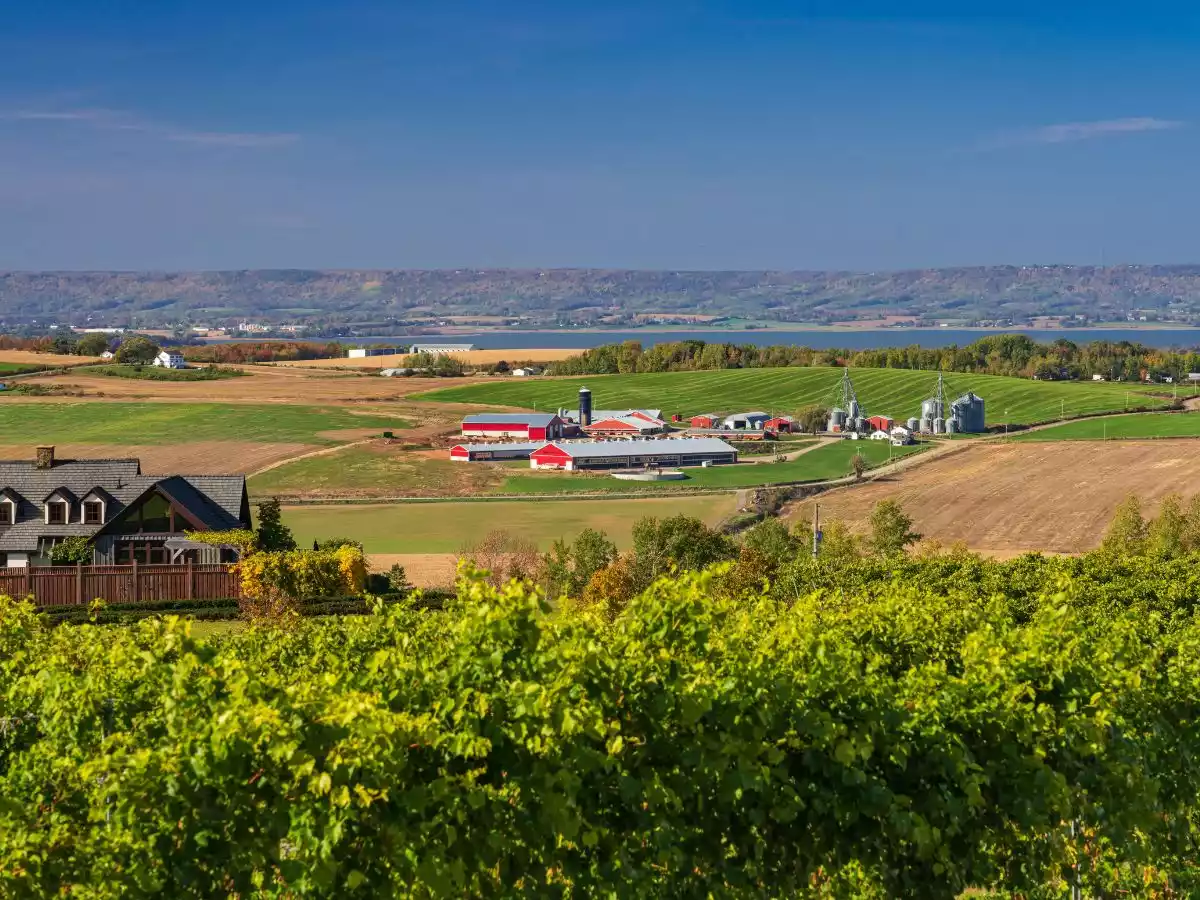
Annapolis Valley
The Annapolis Valley stretches inland from the Bay of Fundy across the center of Nova Scotia. It's lesser-known than the southern coast of Nova Scotia overlooking the Atlantic Ocean, but just as rewarding to visit. Protected from harsh ocean winds, orchards, vineyards, and farmland fill the valley floor, framed by the North and South Mountains.
Off the coast, whale-watching is at its best in the Bay of Fundy, and on the land, the valley is dotted with small towns and historic sites — often one and the same. Annapolis Royal is the best-known, founded in 1605, and just an hour away, and nearby Wolfville has been settled since the mid-1700s.
It's in Annapolis Valley that you'll find the Landscape of Grand Pré UNESCO World Heritage Site and the Grand Pré National Historic Site, a must-stop. It sits just east of Wolfville and was originally the heart of Acadian settlement in the 1600s and 1700s.
The Annapolis Valley is perfect for history buffs, as so much is unchanged from when it was built and preserved to keep local culture alive.
 Credit: Canada By Design
Planning Your Trip to Nova Scotia
Whether arriving by coast-to-coast train or flying in for a nostalgic road trip, we love to help travelers plan their time in this beautiful part of Canada. And, with over 25 years experience, we think we've gotten pretty good at it.
Get in touch with a Canada travel expert today to begin planning your trip to the East Coast of Canada. At Canada By Design, your personal Travel Designer will help you find your perfect Atlantic Canada trip, or create something unique to fit what you are looking for.
Begin Your Journey Today
Connect with one of our Travel Designers to begin designing your trip. Ready for your dream adventure?
FAQs
How do I get to Nova Scotia?
The best ways to get to Nova Scotia are either to fly directly to Halifax Stanfield International Airport or to take the Ocean train, connecting Nova Scotia to the wider VIA Rail network. This is the option you’d use if you wanted to combine Nova Scotia with a trans-Canada train trip.
What’s the best time to visit Nova Scotia?
The best time to visit Nova Scotia is between May and September, when seasonal attractions are open and the weather is at its best. Within that time, different dates suit different interests.
Earlier in May, visitors can expect the first whales of the whale-watching season. The middle of summer is best for clear weather and dazzling views. Late summer — August and September — is best for spotting humpback whales. That being said, Nova Scotia is beautiful in the fall when the autumn colors truly shine, especially in Cape Breton on the Cabot Trail. We recommend trips in later September and October to anyone looking to see fall foliage at its height.
Feature Image Credit: Tourism Nova Scotia / Lora Pope
Table of Contents
- Things to Do in Nova Scotia
- Wandering Halifax Harbor Waterfront
- UNESCO World Heritage Site Hopping
- Whale Watching
- Driving the Cabot Trail
- Hiking from the Cabot Trail
- Eating Lobster
- Places to Visit in Nova Scotia
- Halifax
- Peggy's Cove
- Lunenburg
- Visit Cape Breton Island
- Cape Breton Highlands National Park
- Baddeck
- Cheticamp
- Annapolis Valley
- Planning Your Trip to Nova Scotia
Related Posts
All your Questions about Atlantic Canada, Answered
When travelers first find themselves intrigued by Atlantic Canada, they have a lot of questions. Luckily, we're experts in it all. Here are all your questions, answered.
Nova Scotia Vacation: Expert Guide and Itineraries
Discover expert tips for a memorable Nova Scotia vacation. From scenic spots on Cape Breton Island to the best historical sites, visit for an unforgettable adventure.
Discover the Canadian East Coast: Gems of Atlantic Canada
We gathered the best advice from our in-house travel experts to bring you our comprehensive guide to visiting Prince Edward Island in Atlantic Canada.