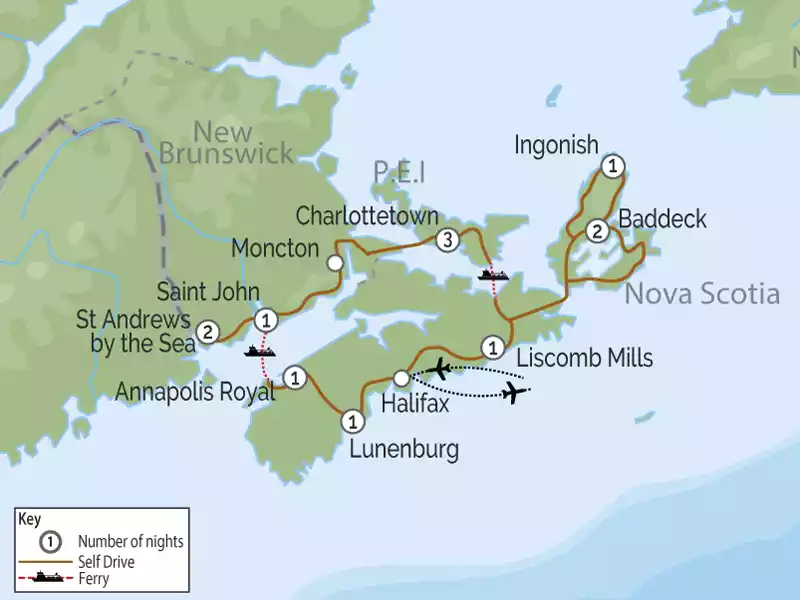
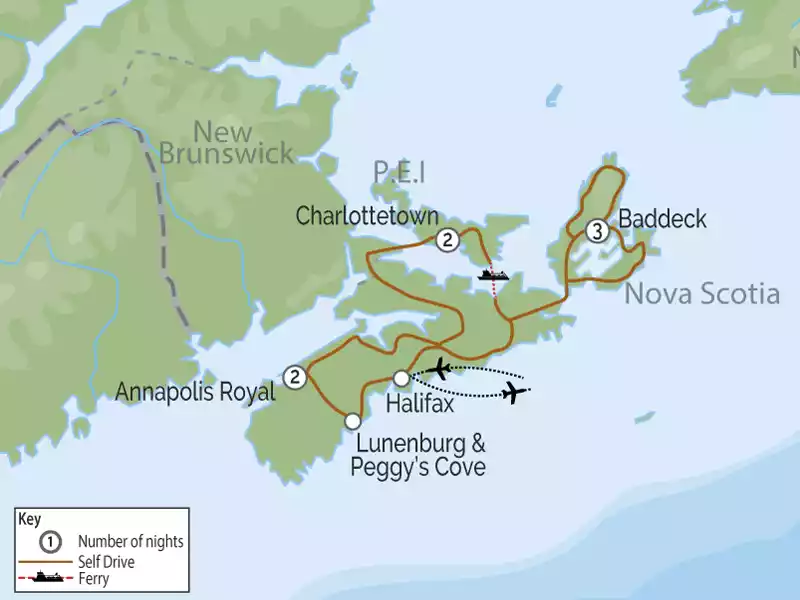
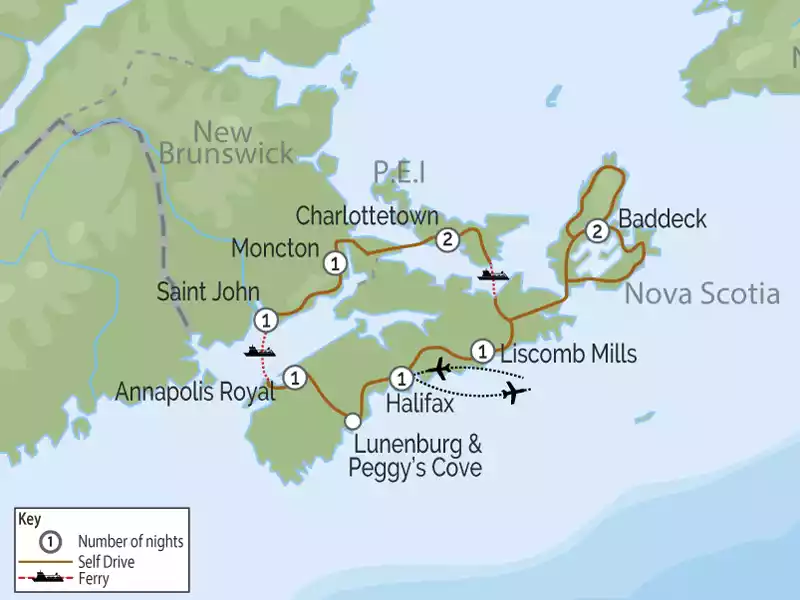
Day 1 Halifax to Lunenburg | 145 km/90 mi
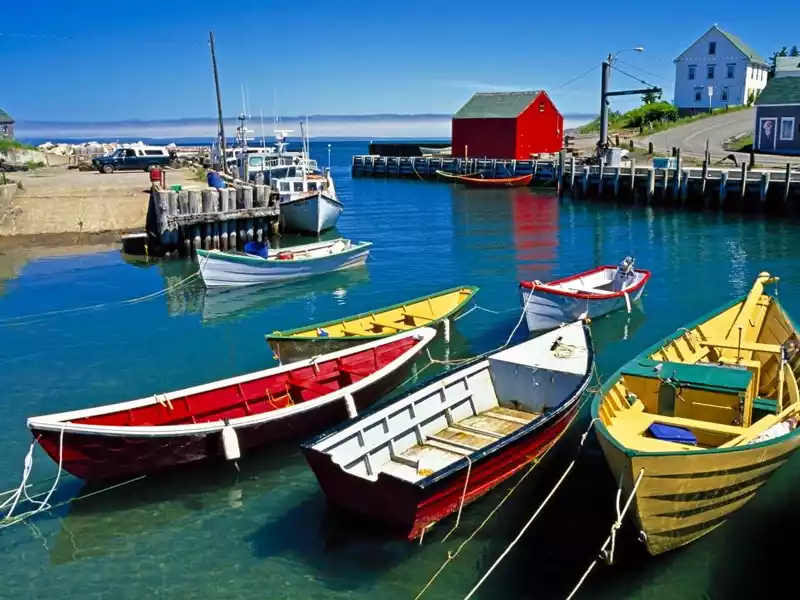
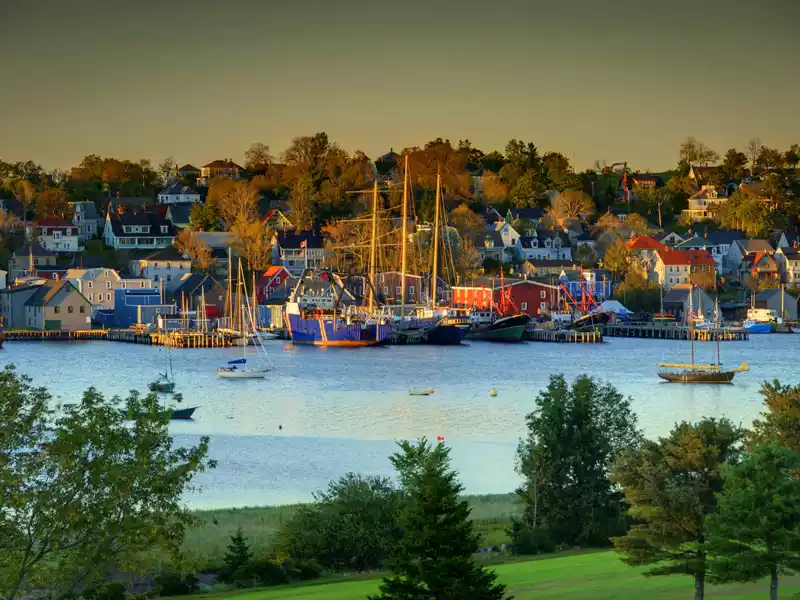
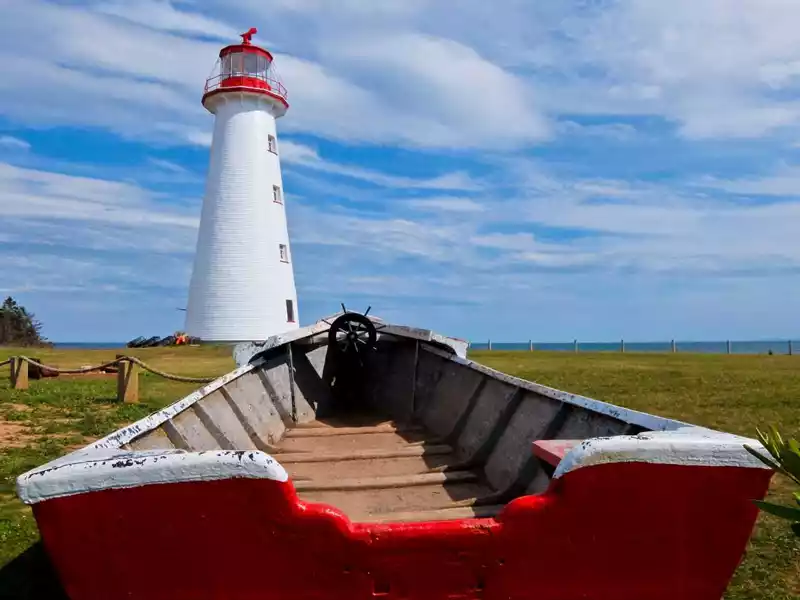
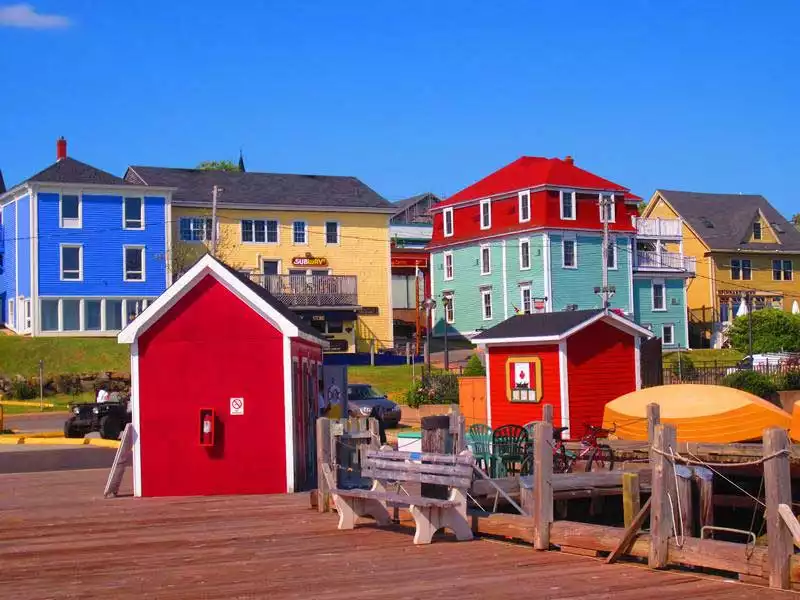
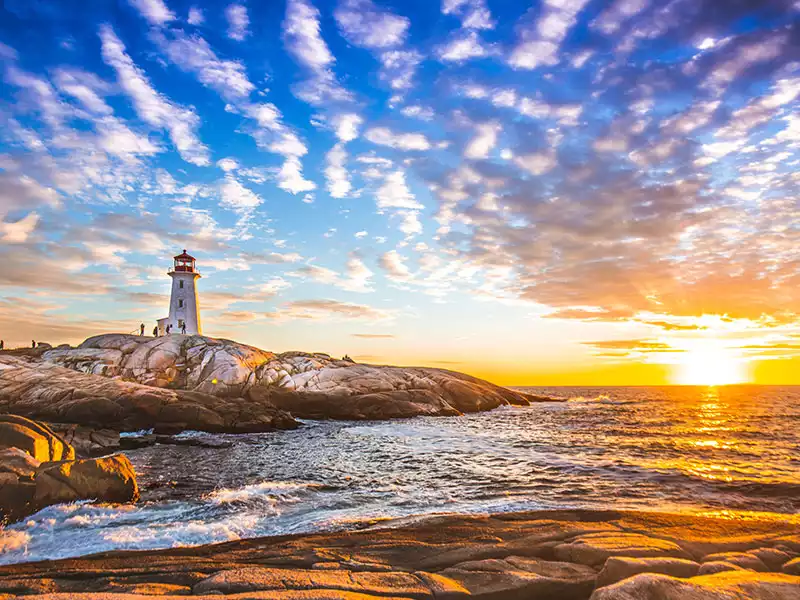
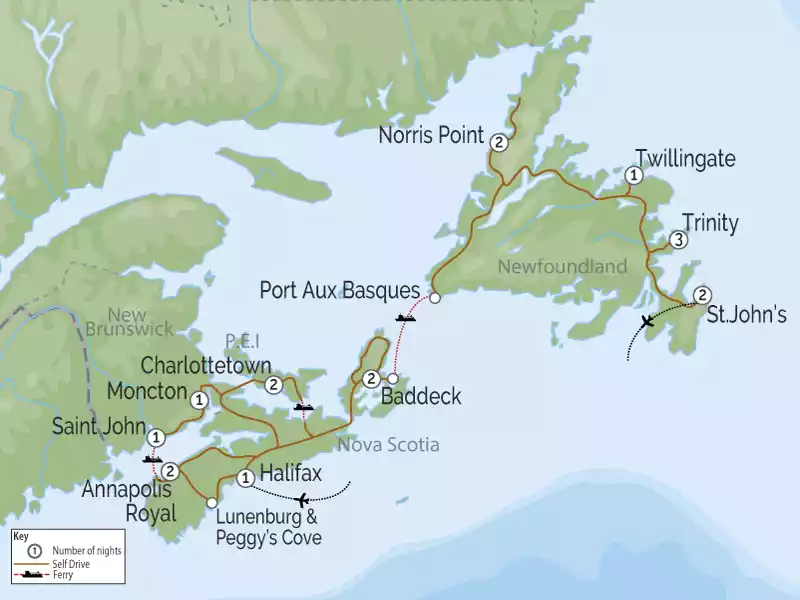
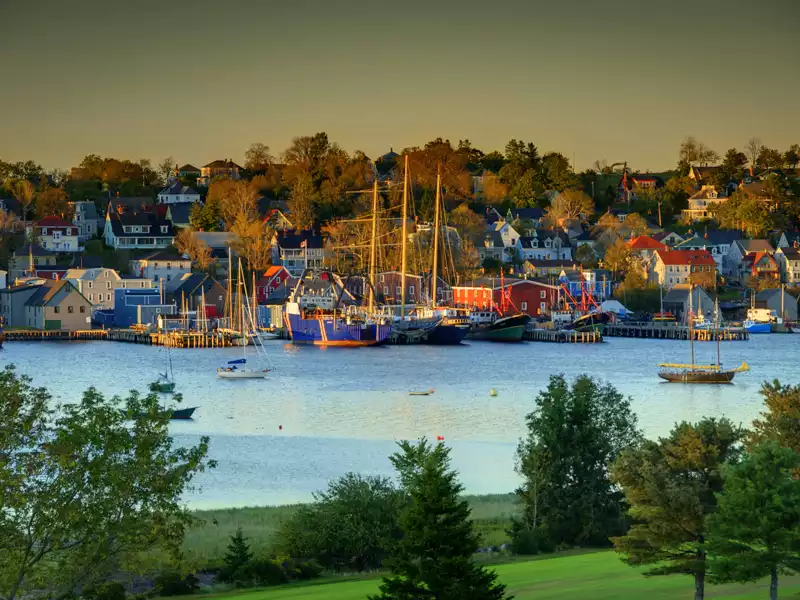
Depart Halifax and travel along Nova Scotia’s scenic Lighthouse Route, beginning with a stop at Peggy’s Cove, one of the province’s most iconic coastal villages. Colourful houses sit against wave-worn granite, while the famous lighthouse looks out over the Atlantic Ocean. Continue to Old Town Lunenburg, a UNESCO World Heritage Site known for its colourful waterfront, beautifully preserved architecture and rich seafaring heritage. Spend time wandering the historic streets, exploring the harbourfront and enjoying the charm of one of Canada’s most distinctive coastal towns.
Day 2 Lunenburg to Annapolis Royal or Smith’s Cove | 133 km/83 mi to Annapolis Royal
Leave Lunenburg and travel inland across the Nova Scotia peninsula toward Kejimkujik National Park and National Historic Site. Known for forest trails, wilderness lakes, rivers and deep Mi’kmaw cultural history, Kejimkujik offers a peaceful contrast to the coastal scenery of the South Shore. Interpretive programs and guided outings reveal the natural and cultural history of the region, including important Mi’kmaw petroglyphs found within the park. Continue along Route 8 toward Annapolis Royal, or onward to nearby Smith’s Cove, both set close to the Bay of Fundy and surrounded by historic charm, coastal scenery and quiet maritime landscapes.
Day 3 Smith’s Cove or Annapolis Royal to St. Andrews | approx. 138 km/86 mi from Annapolis Royal + Ferry
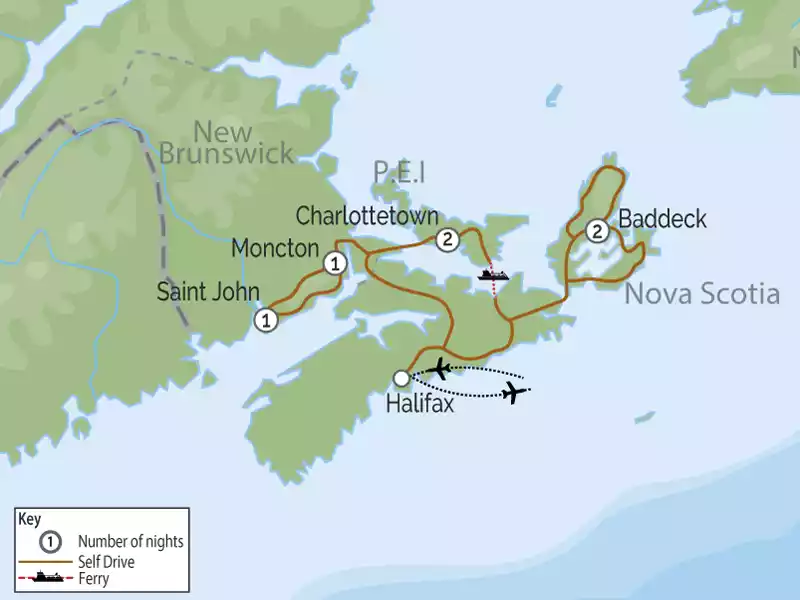
Depart the Annapolis Royal area and travel to Digby to board the ferry across the Bay of Fundy to Saint John, New Brunswick. This scenic crossing offers a relaxed way to experience the vast waters of the Bay of Fundy before arriving on New Brunswick’s southern coast. From Saint John, continue west along the Fundy Coastal Drive toward St. Andrews, one of Canada’s most charming seaside resort towns. Set on the shores of Passamaquoddy Bay, St. Andrews is known for its historic streets, coastal views, galleries, gardens and relaxed maritime atmosphere.
Day 4 St. Andrews | Exploring
Spend the day exploring St. Andrews, a beautiful seaside town where heritage buildings, harbour views, galleries, cafes and fine dining create a relaxed coastal escape. Visit Kingsbrae Garden, stroll the waterfront, explore the St. Andrews Blockhouse National Historic Site, or simply enjoy time browsing local shops and studios. St. Andrews is also a popular base for whale watching, sea kayaking and sailing excursions on the Bay of Fundy, where dramatic tides and rich marine life shape the coastal experience.
Day 5 St. Andrews to Saint John | 107 km/66 mi
Drive east along the New Brunswick coast toward Saint John, Canada’s first incorporated city. Set where the Saint John River meets the Bay of Fundy, the city is famous for the Reversing Falls Rapids, a powerful natural phenomenon created by the meeting of river current and Fundy tides. At high tide, the force of the Bay of Fundy pushes against the river, creating a dramatic tidal tug-of-war that can make the river appear to reverse direction. Spend time exploring Saint John’s waterfront, historic streets, markets and coastal character.
Day 6 Saint John to Moncton via Fundy Trail & Hopewell Rocks | 212 km/131 mi
Today’s drive showcases the dramatic coastline, natural wonders and maritime heritage of southern New Brunswick. Travel through the Fundy Trail Parkway, where coastal lookouts, waterfalls, forest trails and rugged Bay of Fundy scenery create one of the province’s most rewarding drives. Recommended stops include the Big Salmon River area, Walton Glen Gorge, Fuller Falls, Long Beach and scenic viewpoints overlooking the Fundy coastline.
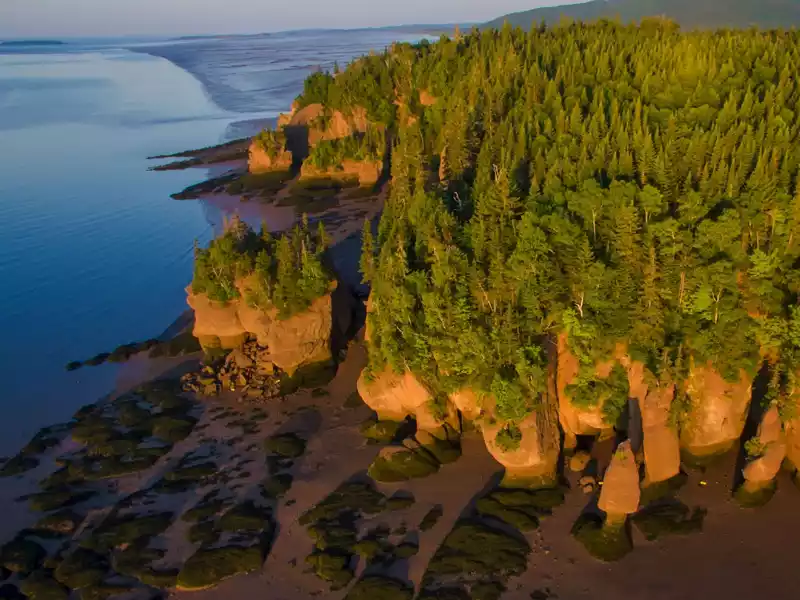
Continue through Fundy National Park and the village of Alma, a great place to enjoy fresh seafood and views of Shepody Bay, before visiting Hopewell Rocks. Here, massive flowerpot sea stacks rise from the ocean floor, offering a remarkable look at the power of the world-famous Fundy tides. After visiting the rocks, continue toward Moncton. If time permits, stop at Magnetic Hill, where a curious optical illusion makes vehicles appear to roll uphill.
Day 7 Moncton to Charlottetown | 164 km/101 mi
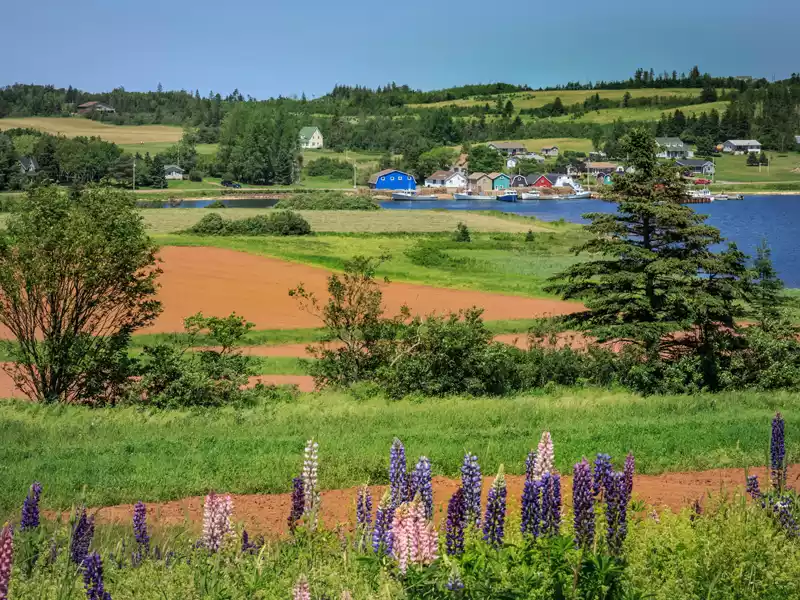
Depart Moncton and travel toward Prince Edward Island, with the option to stop in Shediac, known as the “Lobster Capital of the World.” Learn about the town’s fishing heritage, enjoy its coastal atmosphere and see the iconic World’s Largest Lobster sculpture before continuing toward the Confederation Bridge. This impressive 12.9 km bridge spans the Northumberland Strait and provides a memorable gateway to Prince Edward Island. Arrive on PEI and continue through rolling farmland, red earth, coastal views and small island communities to Charlottetown, the charming capital of Prince Edward Island.
Day 8 Charlottetown | Exploring
Spend the day exploring Charlottetown, a graceful small city known for its historic streets, harbourfront setting and important role in Canadian history. This is the birthplace of Confederation, where meetings held in 1864 helped lead to the formation of Canada in 1867. The city’s Confederation story can be explored through heritage interpretation, cultural attractions and historic streets. Take time to stroll the waterfront, browse local shops and enjoy the welcoming island atmosphere.
Day 9 Tour PEI - The Land of Anne | 100 km/63 mi
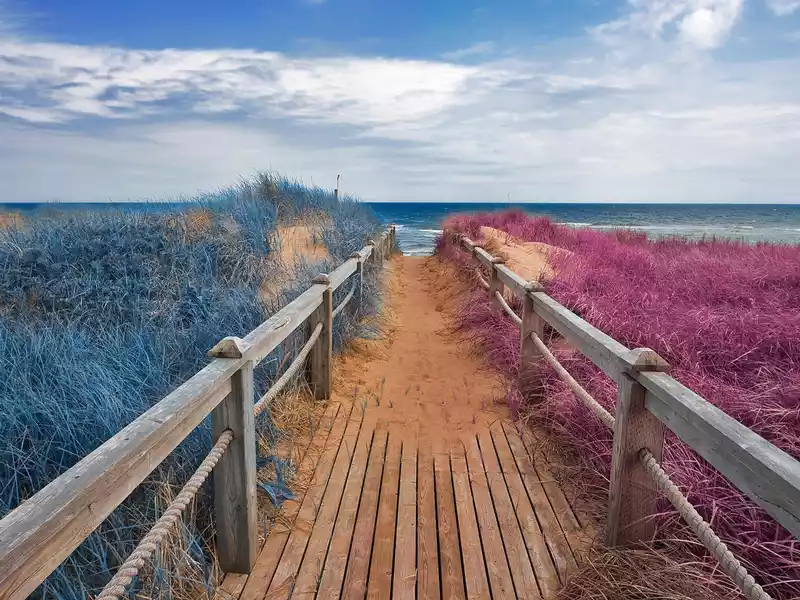
Explore the gentle landscapes of Prince Edward Island’s north shore, where red cliffs, white sand beaches, rolling farmland and green fields create one of Canada’s most distinctive island settings. Travel to Prince Edward Island National Park for views of dunes, shoreline and the Gulf of St. Lawrence, then continue to Green Gables Heritage Place in Cavendish. This beloved literary landmark celebrates L.M. Montgomery and the landscapes that inspired Anne of Green Gables, a story loved by readers around the world.
Day 10 Charlottetown to Baddeck | 274 km/170 mi + Ferry
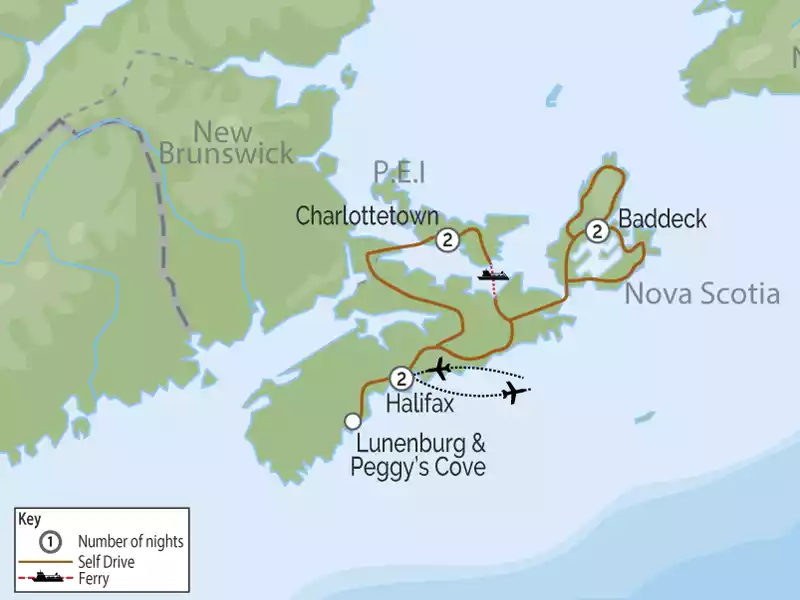
Depart Charlottetown and travel east to Wood Islands for the scenic ferry crossing across the Northumberland Strait to Caribou, Nova Scotia. After arriving on the mainland, continue to Pictou, where Hector Heritage Quay tells the story of early Scottish settlement and features a full-scale replica of the Ship Hector. From here, travel east across Nova Scotia and continue over the Canso Causeway to Cape Breton Island, a region known for its Gaelic and Celtic heritage, coastal scenery and strong musical traditions. Arrive in Baddeck, a scenic village overlooking the beautiful Bras d’Or Lake.
Day 11 Louisbourg Sightseeing | approx. 234 km/145 mi
Travel southeast toward the Fortress of Louisbourg National Historic Site, one of the most impressive historic attractions in Atlantic Canada. This reconstructed 18th-century French fortified town brings colonial life to the present through costumed interpreters, restored buildings and immersive exhibits. Walk the streets of the fortress, learn about daily life in the 1700s and experience the scale of this remarkable coastal stronghold. On your return to Baddeck, visit the Alexander Graham Bell National Historic Site, which celebrates the inventor’s life, work and summers spent on the shores of the Bras d’Or Lake.
Day 12 Baddeck via Cabot Trail to Ingonish | 204 km/126 mi
Follow the famous Cabot Trail clockwise, one of the most spectacular scenic drives in Canada. Travel toward the French Acadian community of Chéticamp, where local culture, language, music and architecture reflect the region’s distinct Acadian heritage. Continue into Cape Breton Highlands National Park, where the road climbs to dramatic plateaus and reveals sweeping views of rugged coastline, forested valleys and the Gulf of St. Lawrence. With hiking trails ranging from short walks to more challenging routes, the park offers many opportunities to experience Cape Breton’s mountain and coastal scenery before arriving in Ingonish.
Day 13 Ingonish to Liscomb Mills | 381 km/236 mi
Depart Ingonish and travel south toward Sydney before continuing across Cape Breton and over the Canso Causeway to mainland Nova Scotia. From here, follow the Eastern Shore and Marine Drive route, where rugged coastlines, tranquil bays, forested landscapes, beaches and fishing communities create a quieter side of the province. Along the way, consider stops in Guysborough, an inviting community overlooking Chedabucto Bay, and Sherbrooke Village, a living history museum that brings 19th-century Nova Scotia to life through restored buildings and costumed interpreters. Continue to Liscomb Mills, where peaceful riverside scenery offers a relaxing setting for the evening.
Day 14 Liscomb Mills to Halifax | 170 km/105 mi
Take a leisurely drive back to Halifax along Nova Scotia’s Eastern Shore, a quieter coastal route known for beaches, fishing communities, forested inlets and ocean views. Along the way, visit Musquodoboit Harbour and the surrounding valley, a scenic area popular with nature lovers, or stop at Martinique Beach, the longest sandy beach in Nova Scotia. Continue toward Halifax, where your journey ends after exploring the South Shore, Bay of Fundy, New Brunswick, Prince Edward Island, Cape Breton Island and Nova Scotia’s peaceful Eastern Shore.